Understanding Lower Back Pain: Causes and Real Solutions
2 June 2026 · 9 min read · Reviewed by Dr. Atharva Narvekar (PT)
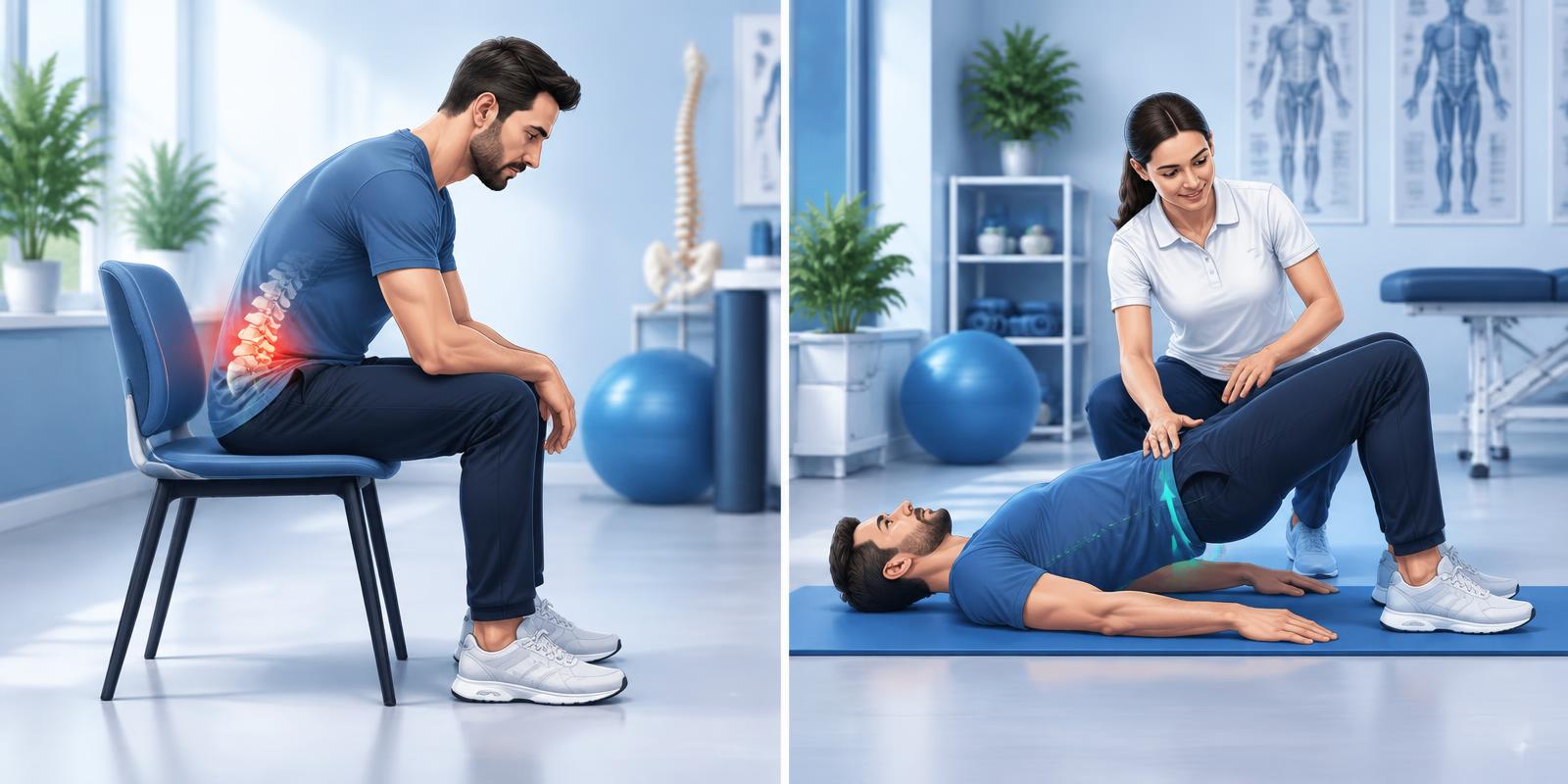
Most back pain is mechanical, not structural. Here is how physiotherapy identifies the true driver and resolves it.
Why the lower back can hurt
The lower back is a strong, adaptable structure made of vertebrae, discs, joints, ligaments, muscles and nerves. Pain can begin when these tissues are loaded more quickly or for longer than they are prepared for. A new lifting task, a long journey, reduced sleep or an abrupt increase in exercise may all contribute.
Pain intensity does not reliably measure tissue damage. Protective muscle tension and a sensitised nervous system can make ordinary movement feel threatening even when the spine remains structurally sound.
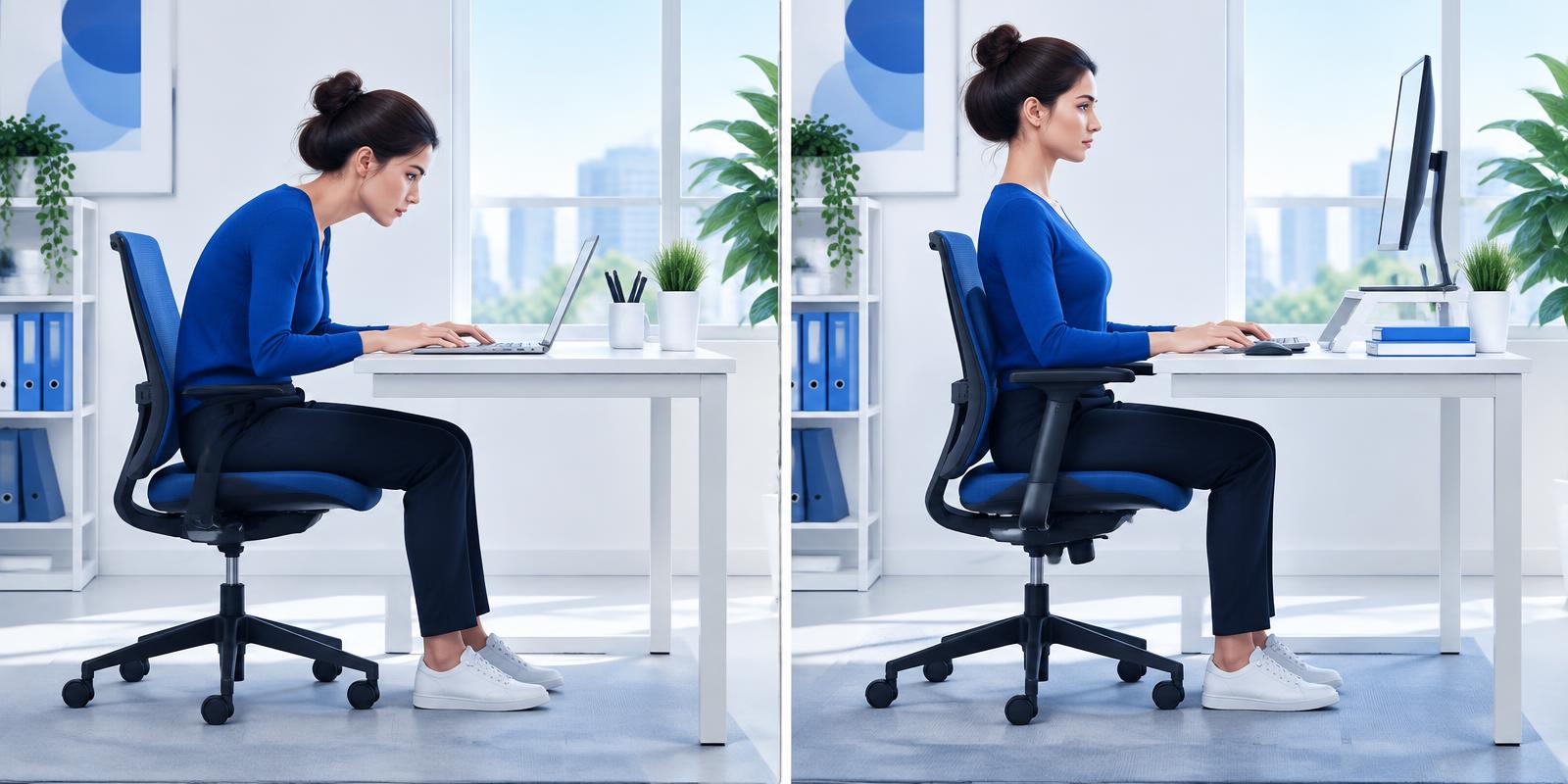
- Long periods in one position
- Sudden or unfamiliar lifting
- Reduced activity followed by a rapid return
- Stress, poor sleep and fear of movement
What an assessment looks for
A physiotherapist asks how symptoms started, where they travel and which positions change them. Movement, strength, sensation and reflexes may be checked. Scans are usually reserved for suspected serious conditions or when results would change care.
Treatment is matched to the findings rather than to a scan label. One person may need graded walking and hip strength; another may benefit from directional movements, lifting practice and pacing.
A practical recovery approach
Stay gently active and modify only the tasks that clearly aggravate symptoms. Short walks, frequent position changes and comfortable mobility are generally preferable to prolonged bed rest. Build duration or resistance in small steps as symptoms settle.
Temporary soreness during recovery can be acceptable when it remains mild, settles soon afterwards and is no worse the next morning.
- Use heat for comfort if it helps
- Break one long task into shorter blocks
- Practise lifting close to the body
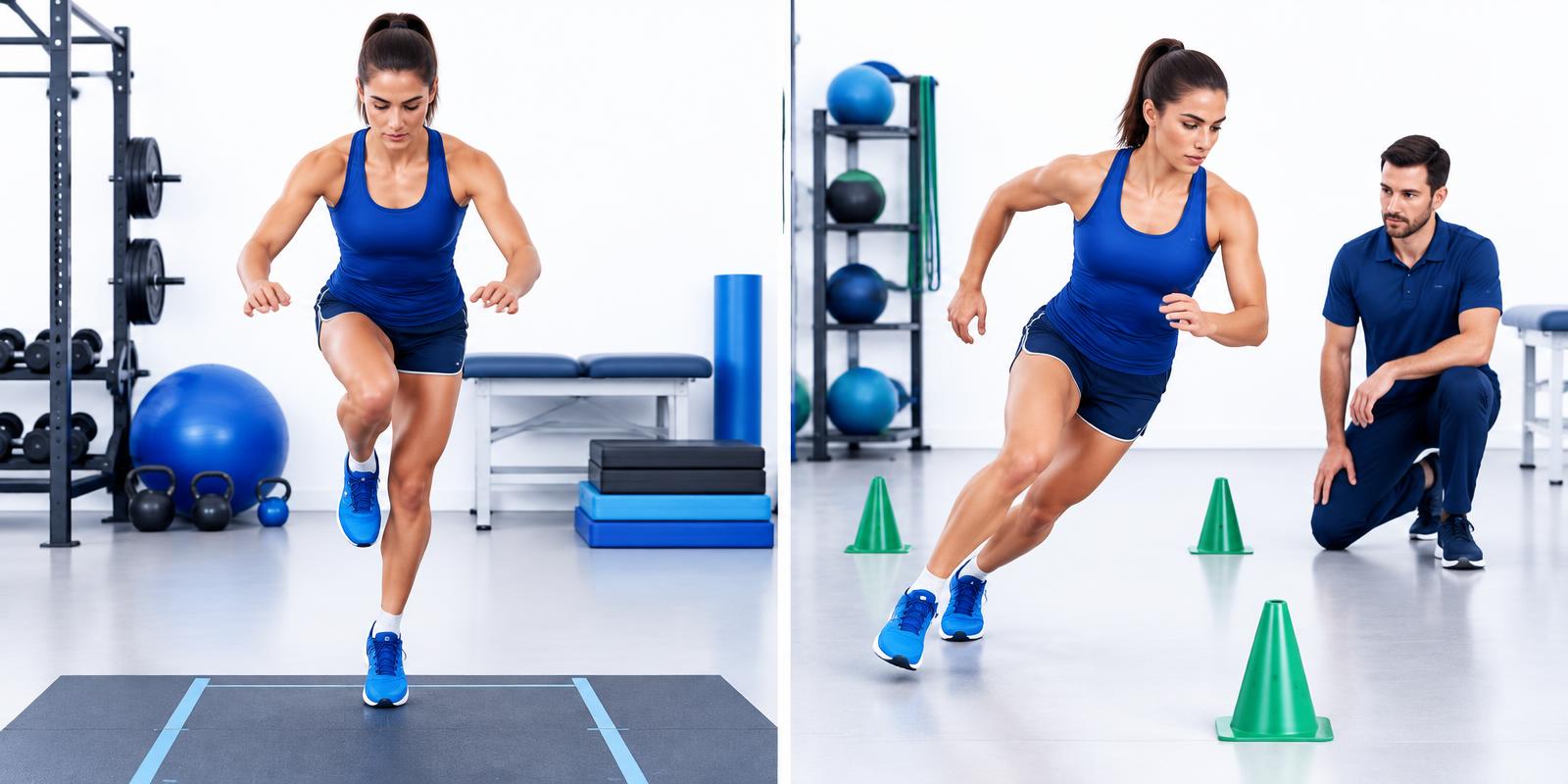
- Progress strength two or three times weekly
This article is for general education and does not replace an individual examination or medical diagnosis.
Need help with this problem?
Book an online consultation or a home visit with Dr. Atharva Narvekar (PT).
Book Appointment