Knee Pain in Runners: Why Your Hips Are the Answer
18 April 2026 · 8 min read · Reviewed by Dr. Atharva Narvekar (PT)
Runner's knee is usually a load-management and hip-strength problem, not a knee problem.
Recognising patellofemoral pain
Patellofemoral pain is felt around or behind the kneecap and may be aggravated by running, stairs, squats or sitting with bent knees. It often reflects a mismatch between recent training load and the knee’s current capacity.
There is rarely one faulty structure. Running volume, recovery, hip and quadriceps strength, cadence, footwear changes and previous injury can all contribute.
The role of the hips
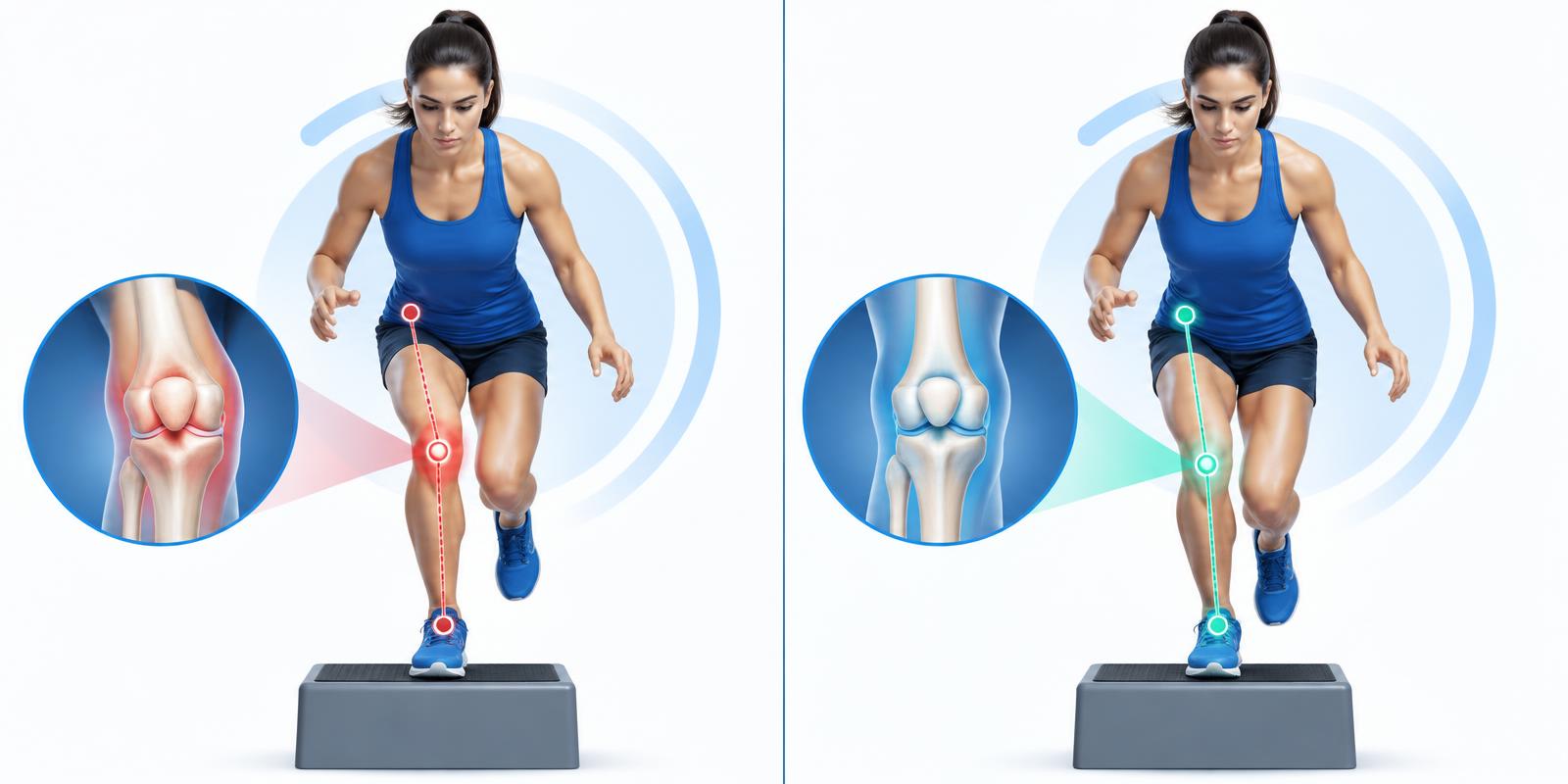
Hip muscles help control the pelvis and thigh during single-leg stance. Reduced control may allow the knee to move inward in some runners, increasing demand around the kneecap. This pattern is relevant for some people, but it is not the cause in everyone.
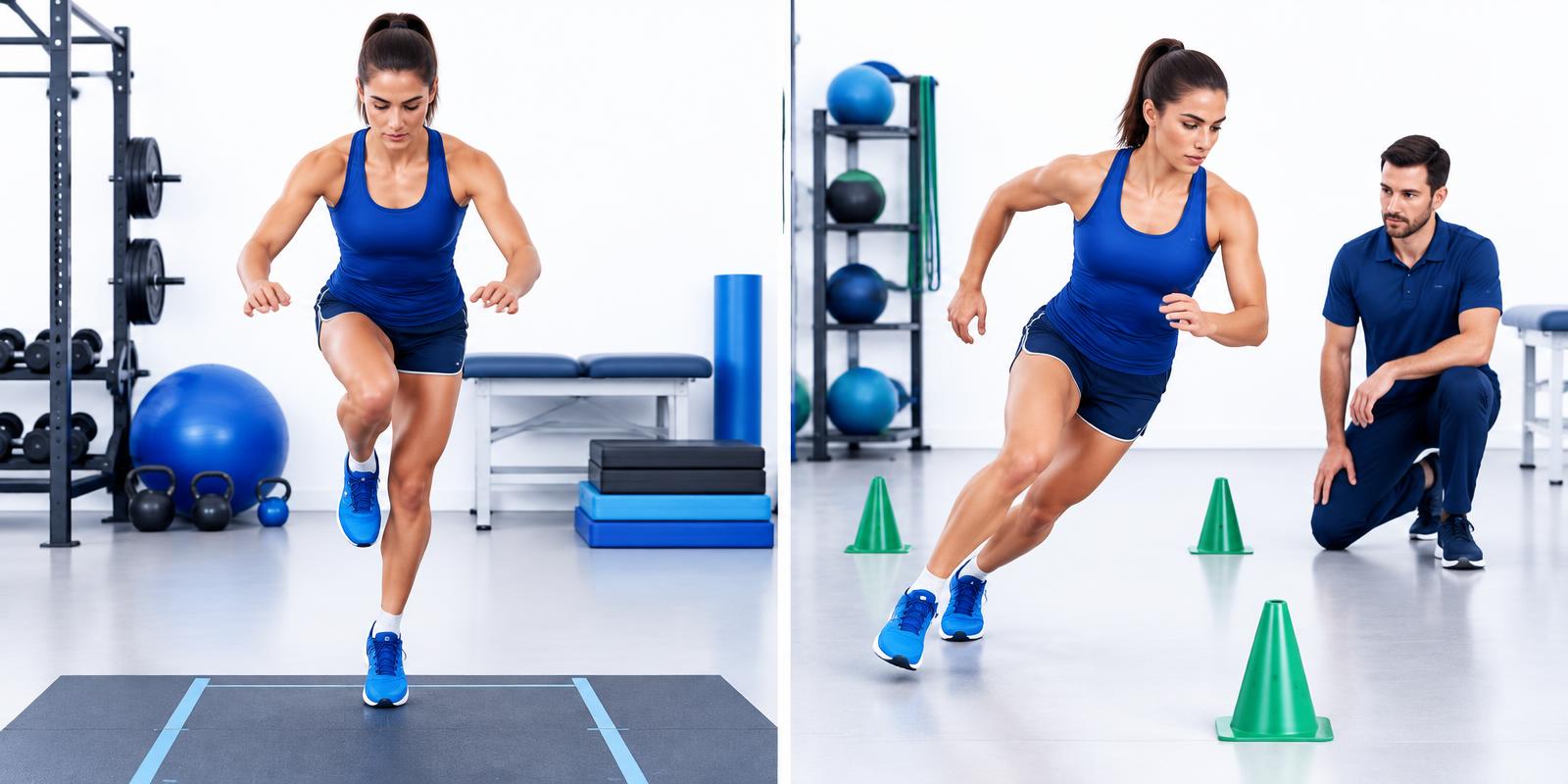
A useful programme usually trains both the hip and quadriceps, progressing from controlled exercises to running-specific tasks.
- Side-step or hip-abductor strength
- Squat and step-down control
- Calf capacity
- Single-leg balance and landing
Keep running where possible
Temporarily reduce the distance, hills, speed or frequency that provokes symptoms rather than stopping all activity. Some runners benefit from a small cadence increase under professional guidance.
Use a symptom response rule: discomfort should stay manageable, settle after the run and return to baseline by the following day. Progress only one major training variable at a time.
This article is for general education and does not replace an individual examination or medical diagnosis.
Need help with this problem?
Book an online consultation or a home visit with Dr. Atharva Narvekar (PT).
Book Appointment