Returning to Sport After Injury Without Re-Injury
4 May 2026 · 10 min read · Reviewed by Dr. Atharva Narvekar (PT)
Pain-free is not the same as ready. Use objective criteria before you step back on the field.
Why symptoms alone are not enough
Pain and swelling often settle before muscle strength, tendon capacity, balance and sport-specific fitness return. Going straight from rehabilitation to full competition creates a sharp workload jump.
A safer return is a process: return to participation, then modified training, full training and finally unrestricted competition.
Useful readiness measures
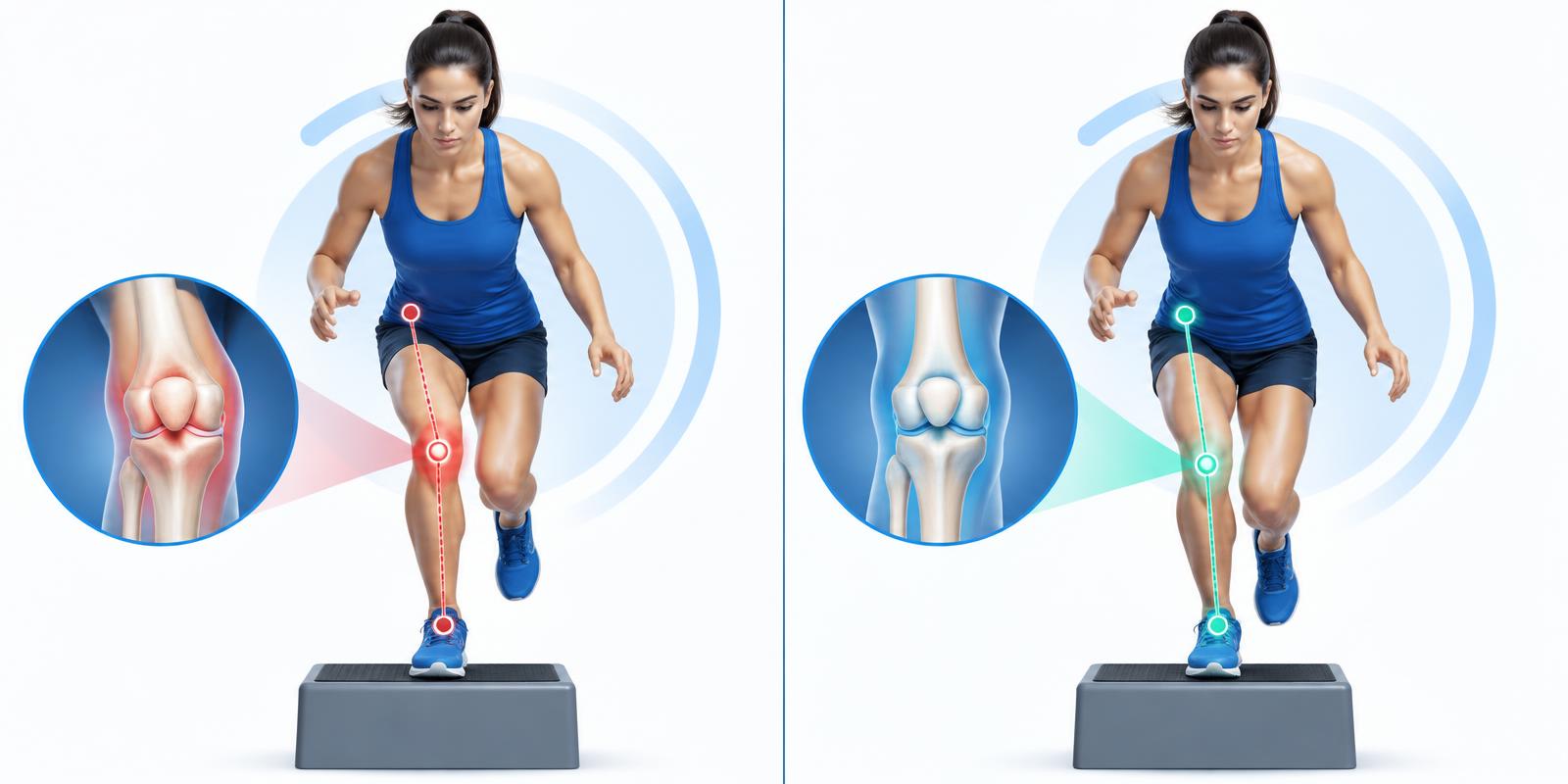
Testing depends on the injury and sport. Clinicians may compare strength and hop performance between sides, but symmetry is not the only goal: both sides must meet suitable absolute standards.
Movement quality, repeated-effort capacity and the athlete’s confidence matter. A single successful test does not prove readiness for a long match.
- Full or expected joint movement
- Minimal reactive pain or swelling
- Strength and power targets
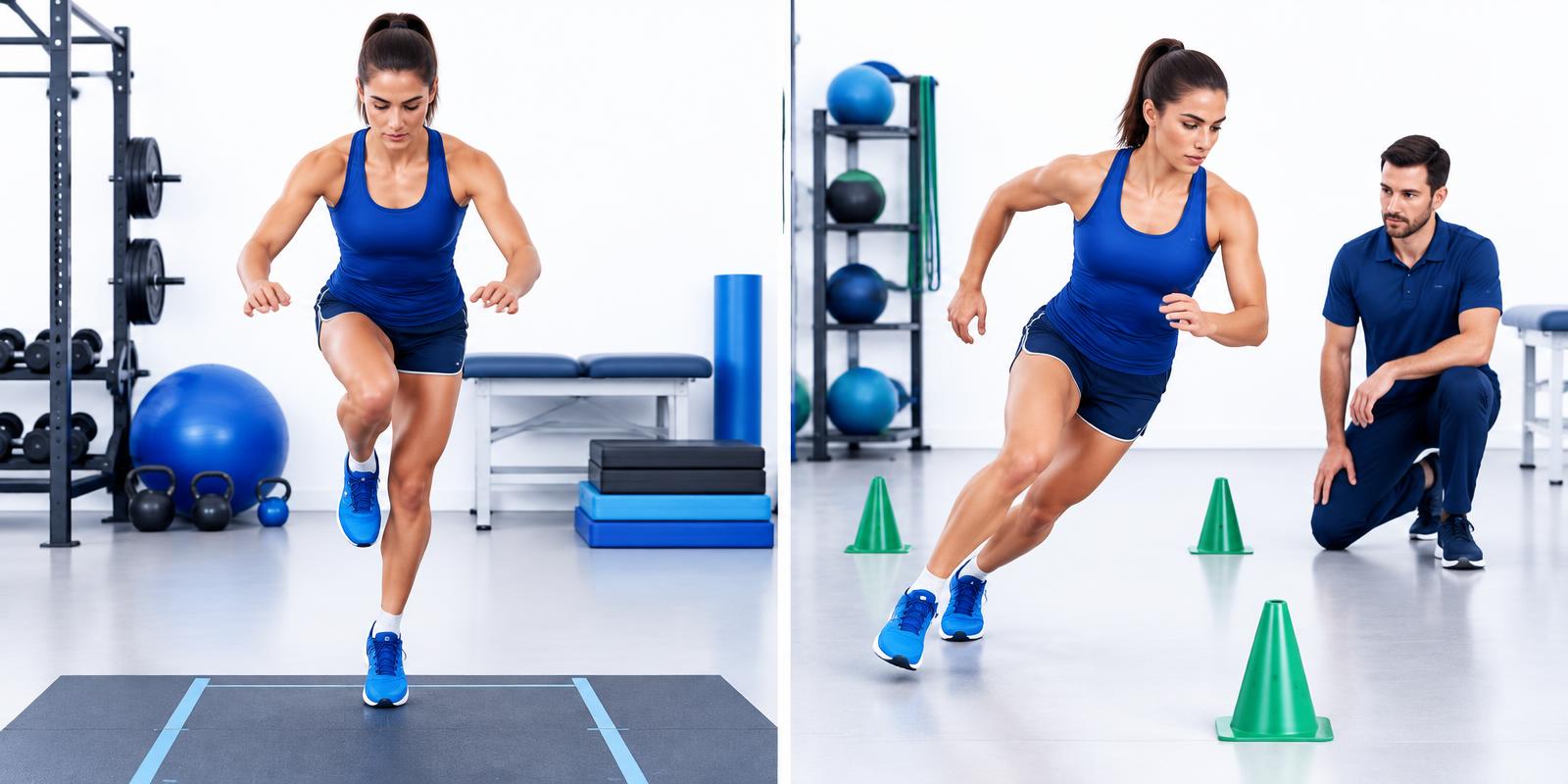
- Sport-specific speed and direction changes
- Confidence under realistic demands
Progress exposure step by step
Begin with predictable drills, then add speed, fatigue, decision-making, contact and competition volume. Monitor how the area responds during the session and over the following 24 hours.
Training load should rise gradually, but no single percentage rule fits every athlete. Coordinate progression with the physiotherapist, coach and surgeon when relevant.
This article is for general education and does not replace an individual examination or medical diagnosis.
Need help with this problem?
Book an online consultation or a home visit with Dr. Atharva Narvekar (PT).
Book Appointment